
January often arrives quietly. After the brightness and bustle of the holidays, families return to routines, classes settle back into familiar patterns, and the steady work of the school year resumes. In Waldorf education, this return to rhythm is not accidental. It is essential.
Rhythm is one of the most powerful and supportive tools we offer children. It creates a sense of security, builds resilience, and allows learning to unfold with confidence and calm.
Why Rhythm Matters
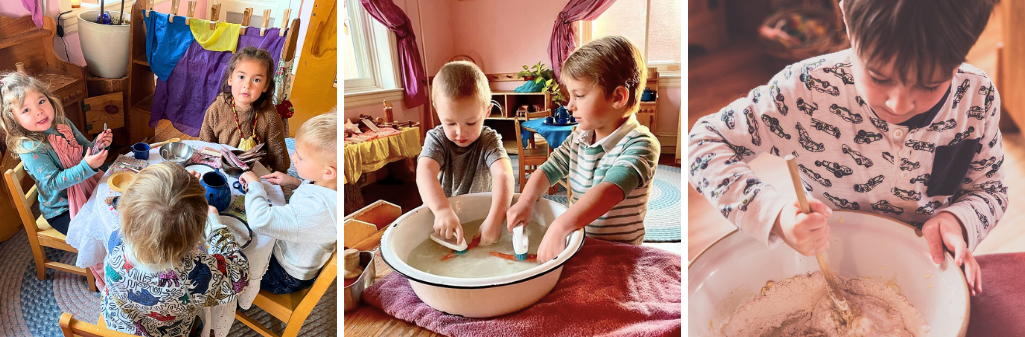
Children thrive when their days have a predictable flow. Knowing what comes next allows them to relax into the moment at hand, freeing their energy for learning, creativity, and connection. In Waldorf classrooms, rhythm shapes the day, the week, and the year.
Morning circles, focused academic work, artistic practice, outdoor play, and closing activities arrive in a consistent order. This repetition is not rigid. It is reassuring. Over time, it helps children develop inner steadiness and trust in their environment.
Rhythm as a Foundation for Resilience
Resilience is often misunderstood as toughness or independence. For children, true resilience grows from feeling safe, supported, and understood. Rhythm provides that foundation.
When challenges arise, a new academic concept, a social struggle, or a moment of frustration, children are better able to meet them because their world feels reliable. The steady rhythm of the classroom becomes an anchor. From that place of security, children are more willing to try, to persist, and to grow.
Seasonal Rhythm and the Winter Months
Winter brings a natural turning inward. In Waldorf education, we honor this seasonal shift by slowing down, deepening focus, and nurturing inner life. Storytelling, handwork, music, and thoughtful academic work support children during this quieter time of year.
Outdoor play remains an important part of the day, even in the cold. Time in nature builds physical resilience and reminds children that they are capable and strong in all seasons.
Rhythm Beyond the Classroom
Families often tell us that Waldorf rhythm extends into their home life in meaningful ways. Regular mealtimes, bedtime routines, weekly traditions, and seasonal celebrations all echo the rhythms children experience at school.
These simple patterns help children feel grounded and connected, especially during times of transition. They also offer parents a sense of steadiness in the busy work of family life.
Rhythm Begins with the Grown-Ups
Children learn rhythm not only by living within it, but by watching the adults around them strive toward it. This does not require perfection, nor does it demand a tightly scheduled home. Even the most flexible families can offer rhythm in small, human ways.
When parents choose one or two steady touchstones in their own day, such as morning tea before the house wakes, a walk after dinner, or lighting a candle before bedtime, they model something powerful. They show that life has anchors. These moments become a kind of safe harbor, grounding both parent and child.

A Gift for Life
As we begin the new year together, we are reminded that resilience does not come from rushing ahead. It grows quietly through consistency, connection, and the gentle strength of rhythm. Rhythm offers a sense of arrival. A feeling that no matter how full or scattered the day has been, there is a place where we come back together. Children feel this deeply, and parents often discover that these gentle routines nourish them just as much.
Winter, especially, invites us to slow down. The darker evenings and quieter pace of the season support earlier bedtimes, shared meals, and moments of connection that do not require planning or performance. Reading aloud, cooking together, handwork at the table, or simply sitting close at the end of the day all build warmth and belonging.
Rather than adding more, rhythm often asks us to do less. To repeat what works, to linger a little longer, and to allow creativity and connection to arise naturally. Over time, these small, steady gestures weave themselves into family life, offering reassurance, calm, and a deep sense of security.
In this way, rhythm becomes a shared gift. A grounding presence. A safe landing for everyone.